In today's industrial landscape, the need to effectively track drive motor performance cannot be overstated. According to John Smith, a renowned expert in the field of industrial automation, "Tracking drive motors is essential for maximizing efficiency and preventing costly downtime." Understanding how to monitor these devices effectively is crucial for optimizing operations.
Drive motors are the backbone of various applications, from manufacturing lines to robotics. However, many companies struggle with tracking their performance adequately. This oversight can lead to inefficiencies and unexpected failures. Real-time monitoring, predictive maintenance, and data analysis play pivotal roles in enhancing motor reliability.
Yet, it's important to recognize that no tracking system is foolproof. Factors like sensor inaccuracies or data overload can complicate the monitoring process. While striving for the best performance metrics, practitioners should remain aware of these limitations and continuously seek improvements in their track drive motor strategies. Each motor presents unique challenges that require tailored solutions, reminding us that perfection in performance tracking is always a work in progress.
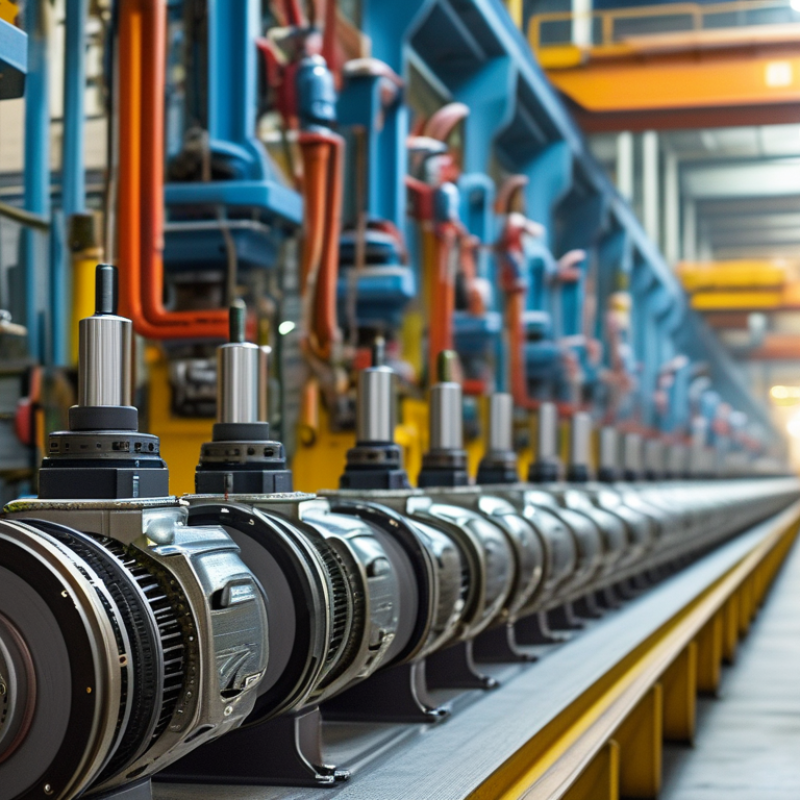
Understanding drive motor performance metrics is crucial for optimizing industrial operations. Key performance indicators (KPIs) include efficiency, torque, and temperature. Efficiency reflects how well a motor converts electrical energy into mechanical energy. According to the International Electrotechnical Commission, motors may operate at efficiencies between 85% and 97%. Small changes can significantly impact energy use and costs, making efficiency tracking essential.
Torque is another vital metric. It determines a motor's ability to perform work effectively. Monitoring torque can prevent overheating and mechanical failure. A study published in the Journal of Electrical Engineering highlights that 30% of motor failures stem from torque-related issues. Moreover, temperature metrics help in predicting maintenance needs and extending the motor's lifespan. Keeping the temperature within 5% of the rated value can reduce failure rates by 25%.
Often, monitoring these metrics accurately presents challenges. Data collection can be inconsistent, lacking the integration of various sensors. Without real-time data, businesses may miss critical insights about motor health. Investing in a reliable monitoring system is worthwhile. However, choosing the right technology can be daunting and requires careful consideration. Understanding these performance metrics will help industries enhance efficiency and reduce costs.
: Consistent data collection helps maintain optimal motor performance. It reveals essential parameters like temperature and vibration.
Focus on key parameters such as temperature, vibration, and load. These directly influence efficiency and lifespan.
Visualization tools like charts can unveil trends hidden in raw numbers. They help identify anomalies needing attention.
Poor data can lead to misinterpretations and unreliable conclusions. This may result in misguided operational decisions.
Regular inspections can identify issues early. They help prevent costly repairs and ensure motors are functioning properly.
Proper lubrication is vital for performance, but over-lubrication can be damaging too. Balance is essential for motor health.
Vibration analysis can reveal potential problems before they escalate. Identifying wear patterns saves time and resources.
Team discussions can enhance understanding of findings. Sharing insights may prompt timely corrective actions to improve performance.
Regularly review the data for accuracy. Document your methodology to refine the approach as technology evolves.
Keeping a log of lubrication intervals helps ensure that motors receive the right amount of lubrication consistently.
To effectively track drive motor performance and status, it's essential to understand various performance metrics that provide insights into how well the motor operates. Key indicators, such as temperature, vibration, and current, should be monitored to assess the motor's health. Employing modern tools and technologies can significantly enhance the ability to track drive motor performance, enabling real-time data analysis and improved decision-making.
Additionally, best practices for analyzing drive motor data should be implemented to identify trends and anomalies. Regular maintenance strategies, including routine inspections and timely repairs, play a vital role in enhancing drive motor longevity. By focusing on these aspects, organizations can ensure optimal performance and reliability of their drive motors, ultimately contributing to improved operational efficiency.

 Weitai Hydraulic