In the competitive landscape of global procurement, sourcing quality track motors is crucial. As industries continue to evolve, the demand for efficient and reliable track motors has surged. The global market for electric motors, including track motors, was valued at approximately USD 107.41 billion in 2020 and is projected to grow at a CAGR of 6.5% through 2027. Such statistics highlight the significance of partnering with top suppliers in China.
China has emerged as a prominent player in the track motor supply chain. The country is home to several manufacturers who adhere to international quality standards. However, not all suppliers offer the same level of reliability. It’s essential to conduct thorough research before making procurement decisions. Various sourcing challenges persist, as discrepancies in quality and service can impact operational efficiency.
Considerations should extend beyond cost. Quality, timely delivery, and customer service play pivotal roles. Engaging with reputed suppliers can mitigate risks. However, potential buyers should be cautious about overly aggressive promises. A balanced approach of assessing supplier capabilities can lead to sustainable partnerships in the long run. Ultimately, understanding market dynamics is vital for successful procurement of track motors in today’s competitive environment.
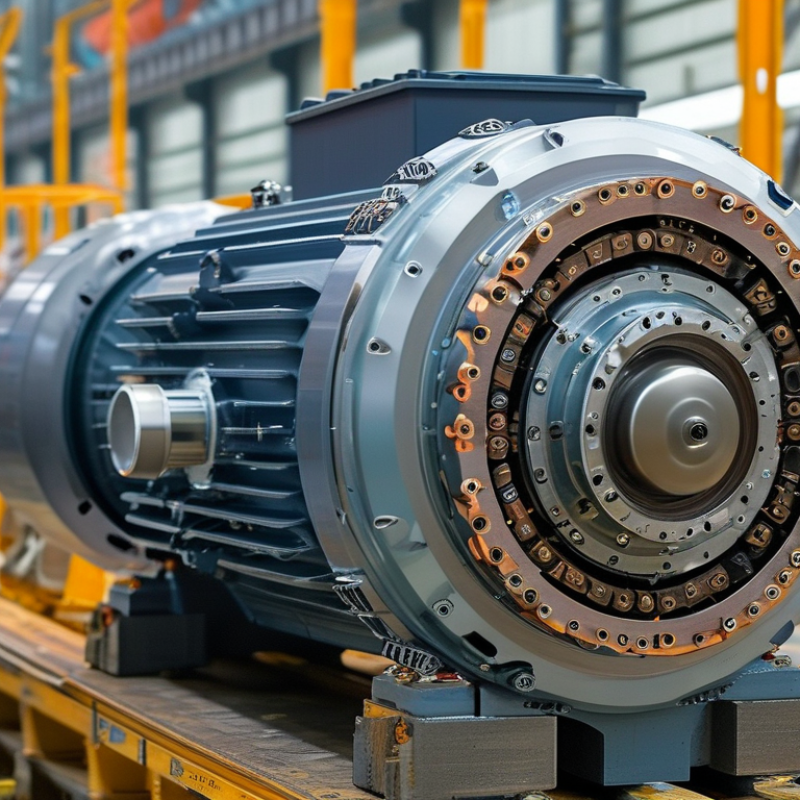
China's track motor industry has grown significantly in recent years. This growth comes from increasing global demand for high-quality motors used in various applications. The market is driven by advancements in technology and manufacturing processes. Companies are now producing motors that are more efficient and durable. These enhancements are attracting international buyers.
However, challenges remain in quality control and consistency. Some suppliers may not meet international standards, leading to potential risks for global procurement. It is essential for buyers to conduct thorough research. Understanding the market trends can help in making informed decisions.
Additionally, the competitive landscape is evolving. New players are entering the market, pushing established companies to innovate. This competition may lead to price fluctuations. Buyers must remain vigilant and adaptable. They should consider factors beyond price, such as reliability and service. The landscape demands careful consideration and strategic planning.
China has emerged as a significant player in the global track motor manufacturing sector. Numerous companies specialize in producing these essential components. They design motors suited for various applications, including industrial machinery and robotics. The intricate balance of quality and affordability sets Chinese manufacturers apart in global markets.
Many manufacturers focus on innovation. They invest in research and development to improve efficiency. This commitment to advancement ensures that their products meet international standards. However, challenges remain. Some companies struggle with scalability. Others face difficulties in maintaining consistent quality. These factors can impact reliability, which is crucial for procurement decisions.
Collaboration with local firms often enhances product offerings. Partnerships can lead to better technology transfers and expertise sharing. Such synergies can address existing weaknesses. Nonetheless, buyers must conduct thorough due diligence. Assessing manufacturer capabilities and past performance is vital. A well-informed decision can lead to successful procurement experiences.
When considering Chinese suppliers for track motors, it’s crucial to understand the factors influencing global procurement decisions. The reliability of suppliers can significantly impact your operations. Companies need to assess suppliers based on their production capabilities, quality certifications, and technological advancements. This ensures a steady flow of high-quality products. Moreover, communication ease also plays a vital role. A lack of clear communication can lead to misunderstandings, affecting timelines and final outcomes.
Pricing is another key aspect that cannot be overlooked. Competitive pricing often attracts global buyers. However, it is essential to gauge the long-term value over initial cost cuts. Occasionally, lower prices may come with hidden costs like poor quality or delayed deliveries. Striking a balance between cost and quality is necessary for lasting partnerships. Environmental regulations and compliance also deserve attention. Ensuring that suppliers adhere to global standards can prevent future legal complications and improve brand reputation.
Cultural differences may pose challenges, but they can also offer insights. Understanding the local business environment may lead to better negotiations. Engage with suppliers to foster mutual respect and understanding. Building relationships can smooth out rough edges. It’s critical to remain flexible yet discerning. The journey of global procurement from China is full of complexities, yet with careful evaluation, valuable partnerships can emerge.
Chinese track motor production has gained global recognition due to its emphasis on quality assurance and adherence to international standards. Factories in China implement rigorous testing protocols to ensure reliability and performance. Skilled engineers oversee production, minimizing errors and enhancing output quality. Many manufacturers employ advanced technologies to streamline the production process, which contributes to improved efficiency.
However, challenges still persist in maintaining consistent quality across different suppliers. Variability in materials and techniques can lead to discrepancies. Thorough research is essential for buyers aiming to select the right suppliers. Engaging in factory visits can provide insightful perspectives into their operations and quality control processes.
Understanding the certifications and standards relevant to track motors is crucial. Reputable suppliers often comply with ISO certifications, ensuring their products meet specific international benchmarks. Buyers should verify these credentials before engaging in procurement. While many manufacturers strive for excellence, some may fall short, leading to potential risks in quality assurance. Being vigilant and informed will empower buyers in their procurement journey.
| Supplier Location | Annual Production Capacity | ISO Certification | Main Industries Served | Quality Control Standards |
|---|---|---|---|---|
| Shenzhen | 100,000 units | ISO 9001 | Automotive, Robotics | Six Sigma, 100% Functionality Testing |
| Shanghai | 80,000 units | ISO 14001 | Aerospace, Defense | Quality Audits, Supplier Approval Process |
| Guangzhou | 120,000 units | ISO/IEC 27001 | Industrial Equipment, Elevator Systems | Life Cycle Assessment, Process Control |
| Hangzhou | 200,000 units | ISO 45001 | Manufacturing, Construction | Statistical Process Control, Periodic Testing |
| Nanjing | 150,000 units | ISO 13485 | Healthcare, Electronics | Reliability Testing, Compliance Verification |
When sourcing motors from China, logistics can be complex. According to a report by Logistics Management, around 40% of companies face supply chain disruptions. This makes it essential for global buyers to evaluate their logistics strategies carefully. Prior planning is crucial to mitigate unforeseen delays.
Delivery speed is a major concern. A study from McKinsey highlights that 70% of procurement managers prioritize timely deliveries. Buyers should consider various shipping methods, including air and sea freight. Each has its benefits and drawbacks regarding cost, speed, and reliability. Transparency in shipping timelines fosters trust with suppliers.
Customs processes also impact timelines. Research indicates that improper documentation can delay shipments by up to 30%. Buyers must ensure all paperwork is correct to avoid additional headaches. Finding reliable partners in China can help navigate these intricate logistics challenges effectively.
: Innovation is key. Many manufacturers invest in research and development to enhance efficiency.
Supplier reliability significantly affects operations. Assessing production capabilities is crucial for success.
Clear communication is vital. Misunderstandings can lead to delays and impact final outcomes.
Competitive pricing attracts buyers. However, consider long-term value versus initial cost cuts carefully.
Low prices may come with poor quality or delayed deliveries. Balance cost and quality wisely.
Certifications indicate adherence to international benchmarks. Verify these credentials before procurement.
Variability in materials and techniques may lead to discrepancies. Consistent quality is a growing concern.
Cultural differences can pose challenges. Understanding the local business environment aids in negotiations.
Conduct thorough research and visit factories. This helps in gauging supplier quality and capabilities.
Falling short on quality standards can jeopardize reliability and lead to potential procurement issues.
The track motor industry in China has rapidly evolved, reflecting significant market trends such as technological advancements and increasing global demand. Key players within the manufacturing sector are at the forefront of innovation, offering a diverse range of track motors that cater to various applications. Factors such as competitive pricing, production capacity, and the ability to meet international standards play a crucial role in shaping global procurement strategies for buyers seeking quality track motors from Chinese suppliers.
Quality assurance remains a top priority in Chinese track motor production, with strict adherence to local and international standards. Additionally, logistical considerations and supply chain efficiency are critical for global buyers to ensure timely delivery and cost-effective operations. Understanding these dynamics can help procurement professionals navigate the challenges and benefits associated with sourcing track motors from China.

Weitai Hydraulic