In the ever-evolving landscape of manufacturing, "Hydraulic Parts" play a crucial role in various industries. Expert John Smith, a veteran in hydraulic technologies, states, "The efficiency of machinery often hinges on the quality of hydraulic components." This observation highlights the significant impact that reliable suppliers can have on operational success.
China stands out as a pivotal player in the global market for hydraulic parts. With numerous suppliers offering a vast range of products, finding the right partner can be daunting. Quality, production capability, and customer service are vital factors to consider. Buyers must evaluate not only the specifications of hydraulic parts, but also the reliability of the suppliers themselves.
It's essential to understand the challenges ahead. While many companies boast high-quality standards, inconsistencies can arise. Some suppliers may struggle with meeting deadlines or maintaining product quality. Therefore, thorough research is necessary. Buyers must remain vigilant in their search for dependable hydraulic parts suppliers to ensure long-lasting partnerships and optimal performance in their operations.
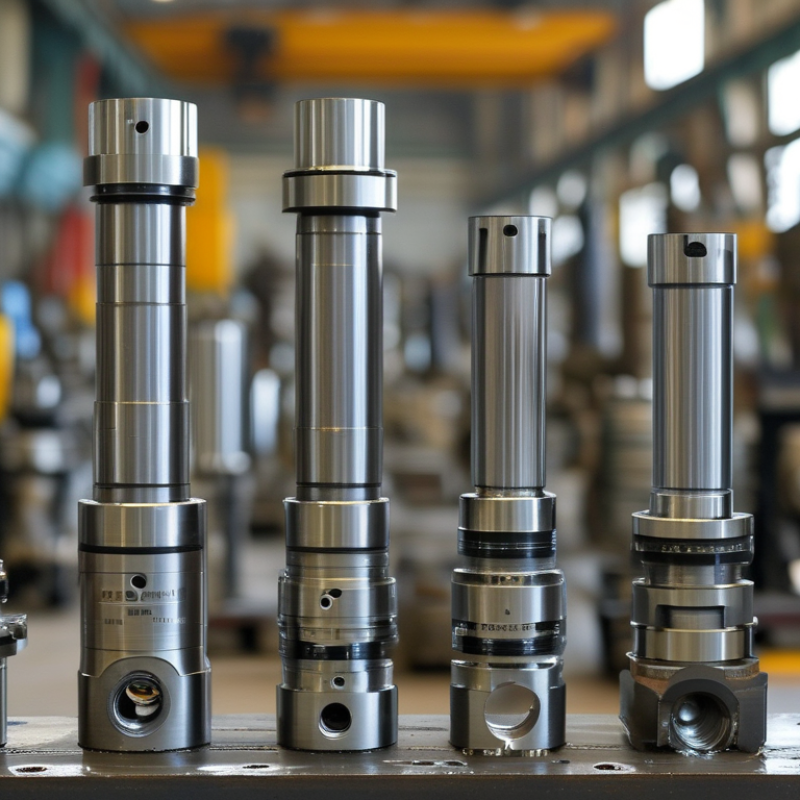
The hydraulic parts industry in China has experienced rapid growth. This sector plays a vital role in various applications, including construction, agriculture, and manufacturing. Companies in China produce a wide range of hydraulic components, from cylinders to pumps. Their significant output meets global demand effectively.
However, challenges persist. Quality control remains a concern for many buyers. Variations in manufacturing standards can lead to inconsistent product performance. It’s crucial for global buyers to conduct thorough research before making purchases. Establishing reliable communication with suppliers can help bridge the gap in expectations.
Tips: Look for suppliers with ISO certifications. They often adhere to higher production standards. Don’t hesitate to ask for samples before committing to large orders. Testing products ensures they meet your specifications. Transparency in supply chains can also build trust and reliability.
| Supplier Type | Product Range | Annual Revenue (approx.) | Export Markets | Years in Business |
|---|---|---|---|---|
| Manufacturer | Hydraulic Cylinders, Pumps, Valves | $10 million | North America, Europe, Asia | 15 |
| Distributor | Hydraulic Hoses, Fittings | $5 million | Australia, Japan, Middle East | 10 |
| OEM Supplier | Hydraulic Power Units, Components | $20 million | Europe, North America | 20 |
| Retailer | Hydraulic Equipment, Accessories | $3 million | Domestic, South America | 8 |
: Look for high-quality products, certifications, and good communication. These are essential for reliability.
Experienced suppliers understand hydraulic parts well. They have refined processes for better product quality and performance.
Choose suppliers who are responsive and transparent. Clear communication reduces misunderstandings and fosters collaboration.
Yes, visiting can enhance trust and understanding of a supplier's quality control processes. However, some may not allow visits.
Extremely low prices might compromise quality. Balance cost with reliability when choosing suppliers. Seek multiple quotes for informed decisions.
Research certifications and gather reviews. A solid track record and positive feedback can indicate reliability.
Sustainability is crucial. Over 40% of companies prioritize eco-friendly practices, affecting supply chain decisions and strategies.
Sourcing can be complex. Supplier reliability is inconsistent, leading to operational risks for manufacturers.
Build long-term partnerships and regularly assess performance. This can lead to better negotiations and trust over time.
Yes, about 30% of companies report disruptions due to unreliable suppliers. This indicates the need for careful supplier selection.
The hydraulic parts industry in China plays a crucial role in the global supply chain, offering a wide array of components essential for various industrial applications. When selecting suppliers, buyers should prioritize key qualities such as product quality, technical expertise, and a robust supply chain management system. An evaluation of the top hydraulic parts suppliers in China reveals a diverse set of companies that can meet international standards. It is imperative for global buyers to assess the credibility and reliability of these suppliers to ensure long-term partnerships. Moreover, understanding global trends in hydraulic parts supply chain management can help companies navigate the complexities of international procurement and enhance operational efficiency.

 Weitai Hydraulic