The Hydraulic Piston Motor is revolutionizing various industries. Its efficiency and power make it indispensable. In 2026, this technology is set to evolve further.
Manufacturers are focusing on compact designs. These smaller units can deliver more power. This trend emphasizes the need for space-saving machinery solutions. Furthermore, advancements in materials are increasing durability. Stronger components mean fewer breakdowns and maintenance.
As innovations arise, the importance of reliability grows. Companies will seek motors that offer consistent performance. With an eye on sustainability, hydraulic systems will also aim for energy efficiency. These developments reflect a responsiveness to environmental concerns. Engaging in these trends is crucial for staying competitive.
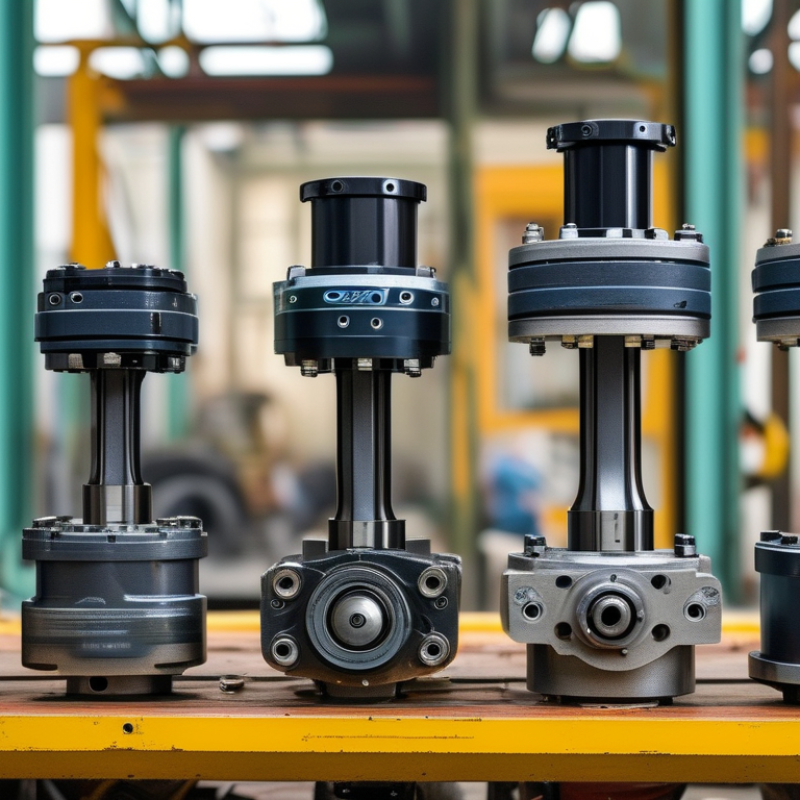
Hydraulic piston motors are gaining traction in numerous industries. Their applications are vast, from construction to agriculture. These motors convert hydraulic energy into mechanical energy effectively. In the current market, high efficiency and reliability are essential. The demand for energy-efficient systems is pushing manufacturers to innovate.
Recent trends show advancements in design and technology. Many companies are focusing on reducing the size while increasing the power output. Lightweight materials are becoming the norm, enhancing performance. Organizations are investing in research to improve hydraulic motor lifespan. However, challenges remain. Some motors struggle with high wear and tear, affecting overall productivity.
In agricultural settings, hydraulic piston motors are pivotal. They drive machinery that helps with planting and harvesting. Yet, operators need to regularly maintain equipment to avoid breakdowns. In construction, the usage is prevalent in cranes and excavators. The need for robust systems is critical here. Still, hydraulic leaks can lead to significant inefficiencies. Hydraulics remain an evolving field, presenting opportunities for continual improvement.
| Trend | Description | Expected Impact | Primary Applications |
|---|---|---|---|
| Increased Efficiency | New designs focused on reducing hydraulic losses. | Higher operational efficiency and lower energy costs. | Construction, Agriculture |
| Compact Designs | Trend toward smaller, space-saving motor designs. | Easier integration into tight spaces and enhanced flexibility. | Marine, Automotive |
| Digital Integration | Incorporation of IoT for real-time monitoring and diagnostics. | Improved reliability and predictive maintenance opportunities. | Manufacturing, Robotics |
| Sustainability Focus | Pressure on manufacturers to develop eco-friendly fluids and materials. | Reduced environmental impact and regulatory compliance. | Waste Management, Renewable Energy |
| Customization | Growing demand for customized solutions to meet specific needs. | Enhanced product adaptability and customer satisfaction. | Mining, Forestry |
Hydraulic piston motors are evolving rapidly, influenced by emerging technologies. The integration of advanced materials and manufacturing techniques is shaping their design. According to a recent report from the International Hydraulics Association, the market for hydraulic motors is expected to grow at a CAGR of 5.5% through 2026. This growth is partly due to the demand for lightweight, durable components that improve efficiency.
Digitalization is another trend reshaping hydraulic piston motors. The use of smart sensors and IoT technology is becoming more common. These innovations enhance monitoring and diagnostics. A study by the Hydraulic Engineering Society noted that 70% of manufacturers are investing in IoT solutions to optimize performance. This trend is transforming traditional designs, making them smarter and more efficient.
There are challenges that come with these advancements. The complexity of integrating new technologies can increase costs. Furthermore, ensuring reliability while incorporating new materials presents difficulties. Engineers must carefully balance innovation and practicality. As the industry progresses, addressing these challenges will be crucial to harnessing the full potential of these emerging designs.
The market for hydraulic piston motors is evolving rapidly. A recent report by MarketsandMarkets projects a CAGR of 5.8% from 2021 to 2026. This growth signals increased industrial automation and the rising adoption of hydraulic systems in various sectors. The demand for high-efficiency hydraulic motors is surging, driven by their ability to provide consistent torque and durability. Industries such as construction, agriculture, and manufacturing are at the forefront of this trend.
Developments in technology are also influencing the market landscape. Innovations in hydraulic piston motor designs are enhancing performance and reliability. Reports indicate that electric and hybrid systems are becoming more popular. These alternatives offer notable energy savings and lower emissions. However, challenges remain, such as the high costs associated with new technology integration.
Mergers and collaborations between companies are noticeable too. These partnerships focus on developing advanced hydraulic solutions to meet diverse industry needs. While competition is fierce, the quest for sustainability pushes companies to refine their product offerings. The interplay between demand and technology will shape the hydraulic piston motor market as we approach 2026.
The production of hydraulic piston motors is increasingly focused on sustainability. As awareness of environmental issues grows, manufacturers are adapting. They are exploring greener materials and more efficient processes. This shift can lead to a reduction in waste and energy consumption. However, challenges still exist. Many industries rely on traditional practices that are not eco-friendly.
Incorporating sustainable practices can enhance motor production. Companies are investing in research to develop bio-based lubricants. These alternatives can reduce environmental impact significantly. Furthermore, adopting recycling programs for old components is becoming more common. Creating a circular economy is essential for success.
Tips: Start by evaluating current production practices. Measure energy use and waste output. Identify areas for improvement. Partner with suppliers who prioritize sustainability. Implement training programs for employees on eco-friendly practices. Engage in ongoing assessments to track progress. These steps can benefit both the environment and the bottom line.
The future landscape for hydraulic piston motors shows both challenges and opportunities. The demand for efficiency remains high as industries seek to reduce energy consumption. According to a report by Research and Markets, the hydraulic motor market is projected to grow significantly, driven by advancements in technology. However, the transition to more efficient systems poses obstacles, such as the need for skilled technicians and the adoption of new manufacturing processes.
The increasing focus on sustainability will push manufacturers to innovate. Reports indicate that hydraulic motors can achieve up to 95% efficiency. Nevertheless, integrating these systems into existing machinery requires careful planning. Companies may face budget constraints and resistance to change. Adopting digital technologies can help mitigate these issues, offering real-time data monitoring and predictive maintenance.
Looking at the competitive landscape, collaboration within the industry will be crucial. By pooling resources, companies can tackle common challenges more effectively. As businesses navigate these changes, they must remain adaptable to stay relevant. Exploring new markets, particularly in renewable energy sectors, might open pathways for growth.
: Key trends include advanced materials, digitalization, and IoT integration. These enhance efficiency and monitoring.
Digitalization provides smart sensors for better diagnostics. About 70% of manufacturers invest in IoT technology.
Increased complexity can raise costs. Ensuring reliability with new materials is also a significant challenge.
Manufacturers are focusing on eco-friendly materials and processes, leading to reduced waste and energy use.
Bio-based lubricants are sustainable alternatives that can lower environmental impact in motor production.
Companies can evaluate practices, measure waste, and partner with eco-friendly suppliers. Training employees helps too.
A circular economy involves recycling old components and reducing waste to create sustainable production processes.
Ongoing assessments help identify improvement areas. They can positively impact both the environment and profit margins.
The article "Top Hydraulic Piston Motor Trends for 2026 What to Know?" provides an insightful overview of the current state and future prospects for hydraulic piston motors. It examines their diverse applications across various industries and highlights emerging technologies that are revolutionizing their design. As demand for more efficient and sustainable solutions grows in 2026, market trends reveal a strong focus on innovation and environmental considerations in hydraulic piston motor production.
Additionally, the article discusses the future challenges and opportunities facing hydraulic piston motors, urging manufacturers to adapt to changing market dynamics while prioritizing sustainability. By leveraging advancements and addressing these challenges, the hydraulic piston motor industry is poised for significant growth, promising to enhance efficiency and performance in various applications.

Weitai Hydraulic