The hydraulic drive motor plays a crucial role in various industrial applications. As global buyers seek efficient solutions, understanding the different types available is essential. Hydraulic drive motors convert hydraulic energy into mechanical energy, offering high torque in compact sizes.
Key types include gear, vane, and piston motors. Each has unique advantages suited to specific applications. However, selecting the right type can be daunting. It requires careful consideration of factors like efficiency, power requirements, and operational environments. Buyers must balance performance with cost-effectiveness.
In a competitive market, knowing the top hydraulic drive motor types helps buyers make informed decisions. Understanding the nuances of each type fosters smarter investments. This knowledge can help prevent costly mistakes and ensure reliable machinery performance. Consider your needs and consult with experts for better outcomes.
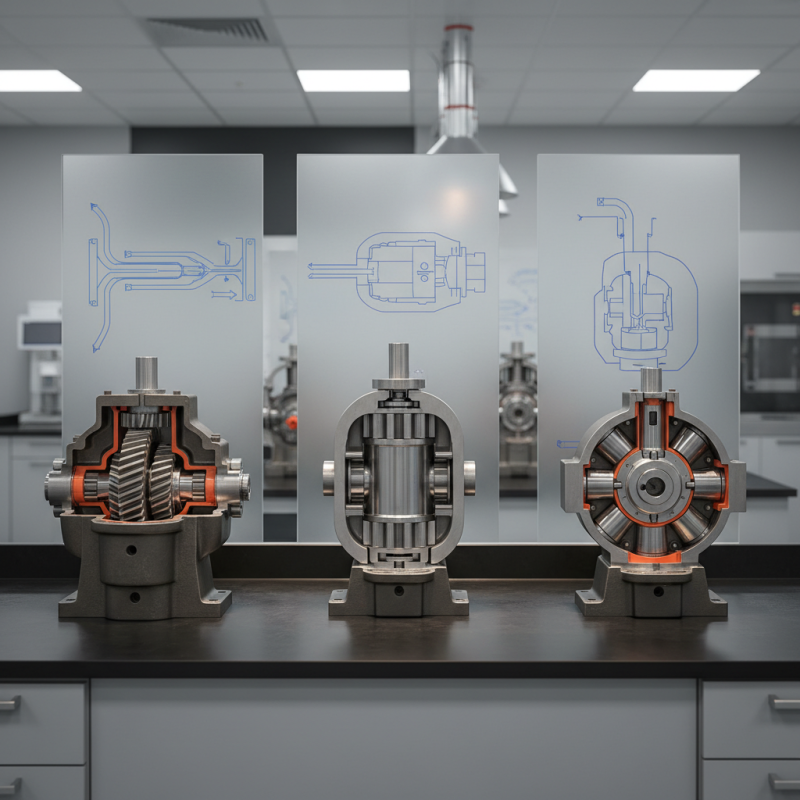
Hydraulic drive motors are essential components in various industries, providing precise control and high power output. They convert hydraulic energy into mechanical energy, powering machinery in construction, agriculture, and manufacturing. These motors excel in applications requiring high torque and compact design. They often integrate into larger systems, enhancing overall efficiency.
Different types of hydraulic motors are available, each with unique advantages. For instance, gear motors are famous for their durability and straightforward design. They fit well in applications where space is limited. Piston motors, on the other hand, offer excellent performance at high pressures. Their complexity can increase maintenance needs. Users must weigh these factors carefully before making a choice.
Understanding the specific requirements of your application is paramount. What are the load conditions? What is the desired speed? These questions aid in selecting the right motor type. A mismatch can lead to inefficiencies or even system failures. Reflecting on the long-term usage and potential design adjustments can also help in enhancing performance. Choosing the right hydraulic drive motor involves considering both immediate needs and future scalability.
Hydraulic drive motors play a crucial role across various industries, from construction to manufacturing. These motors convert hydraulic energy into mechanical energy and are fundamental for efficient machinery operation. According to industry studies, the global hydraulic motors market is projected to reach $5.31 billion by 2026, indicating significant growth driven by diverse applications.
In the construction sector, hydraulic drive motors are often used in excavators and cranes. These motors enable precise control and strong torque, essential for lifting heavy materials. Meanwhile, in manufacturing, they power conveyor systems and robotics, facilitating automation and increasing productivity. Reports show that hydraulic motors can enhance machine efficiency by up to 30% compared to other drive systems.
Despite their advantages, choosing the right hydraulic motor can be challenging. Factors such as operational environment, load requirements, and efficiency levels must be considered. Selecting an unsuitable type may lead to inefficiencies or mechanical failures. Therefore, understanding the applications and limitations of each motor type is essential for ensuring optimal performance in specific industrial settings.
When exploring hydraulic motors, understanding their advantages and disadvantages is essential. Gear motors offer high efficiency and compact size, making them suitable for numerous applications. However, they can struggle with low-speed torque. That limitation may affect their performance in specific scenarios. Some users might find themselves needing more power than a gear motor can provide.
Piston motors excel in high-pressure conditions and provide consistent torque. Their design allows for longevity and durability. Unfortunately, they come with higher costs and added complexity. This complexity can lead to installation challenges, especially for those without the right expertise. Users should weigh these factors when choosing a hydraulic motor.
Finally, vane motors are another option with smooth operation and good efficiency. They are quieter and easier to maintain. On the downside, they may not perform as effectively under high-pressure situations. Users might find this a limiting factor, especially in demanding environments. Each type presents unique characteristics that require careful consideration before making a decision.
When selecting a hydraulic drive motor, several factors come into play. The motor's type, size, and efficiency significantly affect performance. According to a report by the Hydraulic Institute, mismatched motor specifications can lower equipment efficiency by 30%. Therefore, choosing the right motor can enhance productivity and reduce energy costs.
Another critical aspect to consider is the operating environment. Motors in extreme conditions may require specialized coatings or seals. For instance, units exposed to high temperatures may need different materials than those operating in colder climates. The National Fluid Power Association emphasizes that environmental factors can influence the life expectancy of hydraulic components.
Understanding application requirements is essential. If speed control is important, variable displacement motors may be preferable. If maximum torque and power are needed, fixed displacement types could be more suitable. According to a market analysis, improper selection leads to 40% of hydraulic failures. Knowing the specific demands of your project can facilitate better decision-making and enhance overall system reliability.
The global market for hydraulic drive motors is experiencing notable transformation. According to a recent report by Research and Markets, the hydraulic motor market is projected to reach $14.5 billion by 2026, growing at a CAGR of 5.3%. The increased adoption of automation in industries such as manufacturing, agriculture, and construction drives this demand.
One significant trend is the rising preference for energy-efficient hydraulic motors. These motors not only reduce operational costs but also align with sustainability goals. Users increasingly favor products that minimize environmental impact while maximizing performance. Despite this trend, there is a gap in the market for high-quality, affordable motors, indicating opportunities for innovation.
Tips: When selecting a hydraulic drive motor, consider the application’s specific needs. Look for motors with adjustable speed and pressure controls. Proper maintenance can greatly extend a motor’s lifespan, offering better return on investment.
As competition heats up, manufacturers must address efficiency and reliability while managing costs. End-users are becoming more discerning, demanding advanced features and longer life cycles. This shift could leave some companies behind if they cannot adapt to changing market demands. Understanding these dynamics is critical for anyone involved in this evolving sector.
| Motor Type | Power Range (kW) | Typical Applications | Global Demand Trend | Market Share (%) |
|---|---|---|---|---|
| Gear Motors | 5 - 150 | Construction, Agriculture | Increasing | 30 |
| Piston Motors | 10 - 300 | Mining, Marine | Steady | 40 |
| Vane Motors | 3 - 80 | Agricultural Equipment, Forklifts | Decreasing | 15 |
| Orbital Motors | 2 - 50 | Material Handling, Automotive | Increasing | 10 |
: Hydraulic drive motors convert hydraulic energy into mechanical energy. They are vital for machinery in various industries.
The market is projected to reach $14.5 billion by 2026. This growth reflects increased adoption in multiple sectors.
Energy-efficient motors reduce operational costs and support sustainability goals. Users prefer them for better performance with less impact.
Consider the operational environment, load requirements, and efficiency levels. An unsuitable choice may cause inefficiencies or failures.
Proper maintenance can extend a motor's lifespan. It enhances performance and ensures a better return on investment.
They are used in excavators and cranes. These motors provide precise control and strong torque for heavy lifting tasks.
Manufacturers must manage efficiency and reliability while controlling costs. Failure to adapt could lead to losing competitive advantage.
It is essential to understand each motor's applications and limitations. Misunderstanding can lead to mechanical issues or inefficiencies.
There is a rising demand for advanced features and longer life cycles. Users are seeking innovations in motor design and functionality.
They can enhance machine efficiency by up to 30%. This is significant compared to other drive systems in various applications.
Hydraulic Drive Motors are essential components in various industrial applications, providing efficient power transmission. These motors operate by converting hydraulic energy into mechanical movement, making them vital for machines in construction, agriculture, and manufacturing. Key types of Hydraulic Drive Motors include gear, vane, and piston motors, each offering unique advantages and disadvantages suited to specific operational needs.
When selecting a Hydraulic Drive Motor, factors such as torque requirements, speed, and environmental conditions must be carefully considered. The global market for Hydraulic Drive Motors is experiencing growth, driven by increasing demand for automation and advanced machinery across multiple sectors. Understanding these trends and motor types empowers buyers to make informed decisions that enhance productivity and performance in their operations.

Weitai Hydraulic