The Final Drive Motor is a vital component in heavy machinery. It serves as a link between the engine and the wheels or tracks. This critical part converts hydraulic power into mechanical motion. Its performance directly affects the overall efficiency of the machine.
A well-functioning Final Drive Motor ensures reliable operation in challenging conditions. Heavy machinery often faces extreme environments. Dust, mud, and vibrations can impact performance. Regular maintenance is essential to maximize its lifespan. Operators must be aware of unusual noises or vibrations, as these may indicate problems.
Understanding the role of the Final Drive Motor helps in optimizing machinery performance. Investing in quality motors improves reliability. Inadequate attention to this component can lead to costly downtime. Heavy machinery relies on this motor to operate at peak levels. It is crucial for operators to prioritize its maintenance and care.
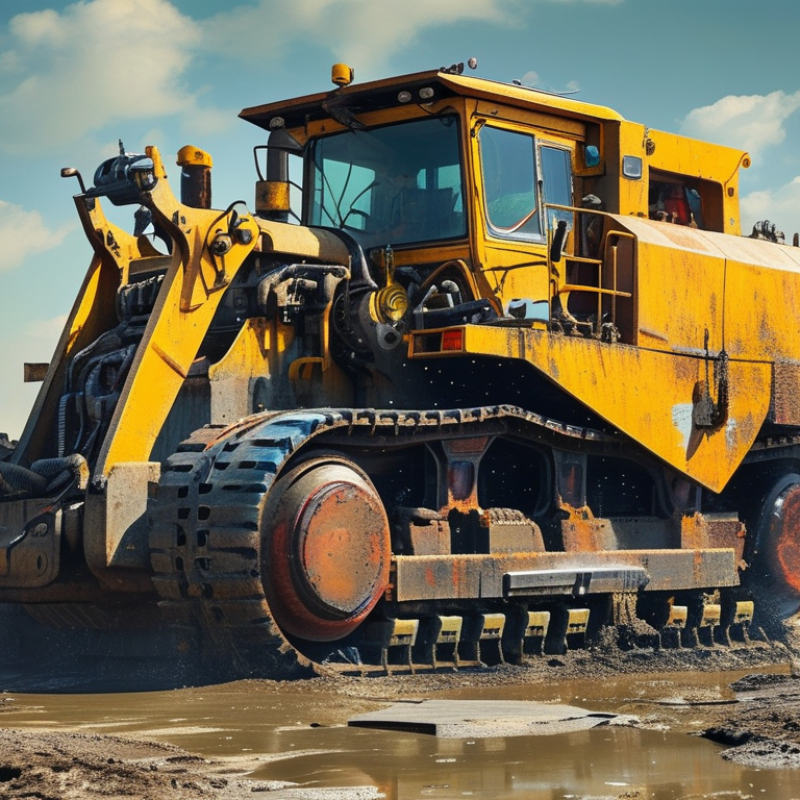
Final drive motors play a pivotal role in the functioning of heavy machinery. These components convert hydraulic or electric power into mechanical energy, driving tracks and wheels. Their efficiency greatly influences the overall performance of excavators, bulldozers, and other equipment. When a final drive motor fails, it can halt operations and lead to costly delays.
Understanding how these motors work is critical for operators and maintenance teams. They consist of gears, bearings, and other intricate parts. Regular checks are essential for ensuring optimal performance. Signs of wear, such as unusual noises or vibrations, should not be ignored. Addressing issues early can prevent larger failures later.
The complexity of final drive motors means that maintenance requires expertise. Technicians must be trained to notice subtle changes in performance. Even experienced operators can overlook warning signs. Continuous education and awareness are vital. Properly functioning final drive motors enhance efficiency, reduce downtime, and ultimately contribute to the machinery's longevity.
Final drive motors are vital components in heavy machinery, playing a crucial role in power transmission. These motors convert hydraulic or electric power into mechanical energy, driving the machine's tracks or wheels. This conversion is essential for effective operation in tough environments. A well-functioning final drive motor ensures optimal performance and reliability.
When selecting a final drive motor, consider its torque, efficiency, and size. A motor with the right torque ensures that the machinery can handle heavy loads. Efficiency affects fuel consumption. A compact design can save space and weight, which is critical in heavy machinery.
Tip: Regular maintenance of final drive motors is crucial. Check fluid levels and inspect for leaks frequently. Failure to maintain these motors can lead to inefficient power transmission and costly downtime.
Final drive motors can experience performance issues. Gear wear or improper alignment can lead to inefficiencies. Monitoring these factors can help prevent major breakdowns. Adapt operational practices to minimize stress on the motor. This practice can prolong its lifespan and enhance overall machinery performance.
Final drive motors play a vital role in heavy machinery. They are essential for converting hydraulic or electric power into mechanical energy. This conversion is crucial for moving the machinery's tracks or wheels. Key components include the motor casing, gears, and hydraulic pump. Together, they create a reliable and efficient drive system. Proper maintenance of these components is necessary for optimal performance.
The functionality of final drive motors hinges on precise engineering. Gear reduction helps control speed and torque. This reduction is vital for heavy loads. When the gear system wears down, performance suffers. Additionally, the hydraulic pump must deliver consistent pressure. Inconsistent pressure can lead to inefficiencies or breakdowns. Inspecting these components regularly helps identify potential issues before they escalate.
Each machine operates under different conditions. Therefore, understanding the specific final drive motor in use is important. Many operators face challenges in ensuring longevity and efficiency. Not all machines handle wear and tear equally. This variability highlights the need for tailored maintenance strategies. Addressing these factors can enhance the performance and lifespan of machinery.
Final drive motors are critical components in heavy machinery. They provide the necessary torque to move massive loads, making them essential for projects like construction and mining. The efficiency of these motors significantly influences overall equipment performance. When a final drive motor operates smoothly, it enhances speed and responsiveness, allowing operators to accomplish tasks more effectively.
However, not all final drive motors are created equal. Some may experience wear and tear faster than others, affecting machine reliability. Regular maintenance is crucial, yet it can be overlooked. Operators might ignore signs of degradation, leading to costly downtimes. The performance gap between well-maintained gear and neglected gear can widen quickly, impacting project timelines.
Improving efficiency also comes from optimizing hydraulic systems. Hydraulic power plays a vital role in final drive motors, affecting their performance. Yet, many machines run with inefficient hydraulic setups, reducing output. Recognizing the importance of these systems is key. Continuous training for operators and technicians can help bridge these gaps, ensuring that machinery runs at peak efficiency. Balancing expertise and hands-on experience is essential for maximizing final drive performance in any heavy machinery operation.
Final drive motors are essential for heavy machinery. They provide torque and propulsion, impacting overall performance. Regular maintenance ensures optimal function and enhances longevity, a necessity backed by industry research. According to a report from the International Journal of Heavy Machinery, mechanical failures due to neglected final drive motors account for nearly 30% of downtime. This statistic highlights the importance of preventive care.
Troubleshooting starts with regular inspections. Checking fluid levels and inspecting seals can extend motor life. Overheating can lead to significant damage, making it critical to monitor operating temperatures. A study indicated that machinery with regular thermal checks experienced 25% fewer breakdowns. Cleaning debris from motors is vital. Dirt and grime can impair performance and lead to excessive wear on parts.
Notably, many operators overlook small, seemingly insignificant issues. A minor leak can escalate into a substantial problem if not addressed promptly. Operators should document any abnormal sounds or vibrations. These could be early signs of failure. Investing in proper maintenance can save costs and enhance productivity in the long run.
: They convert hydraulic or electric power into mechanical energy, driving tracks and wheels.
It can halt operations and lead to costly delays, impacting project timelines significantly.
Regular checks ensure optimal performance and can prevent larger failures from occurring later.
Unusual noises or vibrations should not be ignored and indicate potential issues.
Maintenance requires expertise, and trained technicians can notice subtle changes in performance.
Ignoring these signs can lead to costly downtimes and widened performance gaps.
Inefficient hydraulic setups can reduce the performance of final drive motors, affecting overall output.
Continuous training for operators and technicians ensures that machines run at peak efficiency.
Their complexity means proper maintenance can be challenging and requires skilled attention.
Neglected motors may lead to unreliable performance and increased risk of failure.
The Final Drive Motor is a crucial component in heavy machinery, playing a vital role in power transmission and overall equipment performance. Understanding its functionality involves examining key components such as the hydraulic system and gear mechanisms, which work together to convert engine power into movement. The efficiency of the Final Drive Motor directly impacts machinery operation, influencing factors such as speed, torque, and overall productivity.
Regular maintenance and troubleshooting are essential to ensure optimal performance of the Final Drive Motor. By addressing wear and tear, operators can prevent unexpected failures and maintain equipment reliability. In conclusion, the Final Drive Motor is not only fundamental to the operation of heavy machinery but also to maximizing its efficiency and effectiveness in various applications.

Weitai Hydraulic