How to Choose the Right Wheel Drive System?

Time:2026-09-14 Author:Isabella
0%

Choosing the right Wheel Drive system can change how a vehicle feels, performs, and survives daily use. A compact front-wheel-drive car may handle wet city streets efficiently. A four-wheel-drive truck can offer stronger traction on gravel, snow, or steep work sites. However, the most expensive option is not automatically the best one.

This guide examines how different drive systems transfer power from the engine or motor to the wheels. It considers traction, fuel or battery efficiency, maintenance costs, handling balance, payload demands, and driving conditions. Real-world details matter. A driver who travels through crowded streets may value low operating costs more than extreme off-road capability. Someone carrying tools over muddy construction roads may need durable components, reliable ground clearance, and controlled torque delivery.

Technical specifications provide a useful starting point. Independent testing, manufacturer service data, tire selection, and long-term owner experience add valuable context. Still, specifications can be misunderstood. A system rated for difficult terrain may perform poorly with unsuitable tires or careless driving. That part is often overlooked.

No choice is perfect.

This article explains the strengths and limitations of front-wheel drive, rear-wheel drive, all-wheel drive, and four-wheel drive. It also explores how climate, road surfaces, vehicle weight, repair access, and driving habits influence the final decision. The goal is not to promote one system. It is to help readers compare evidence carefully and choose a practical solution that matches real needs, not marketing language.
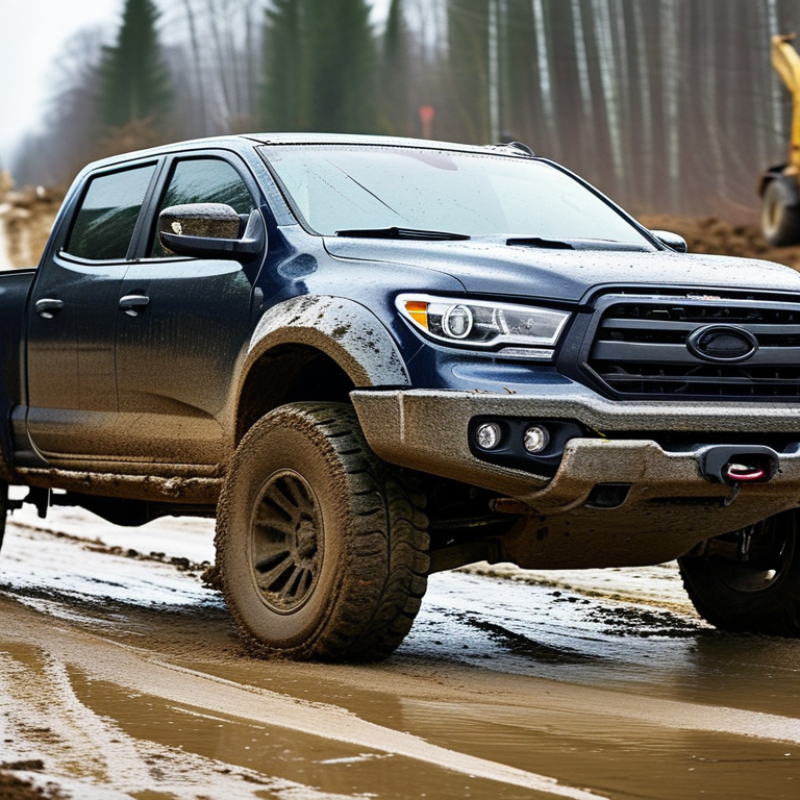
How to Choose the Right Wheel Drive System?

Understanding the Main Types of Wheel Drive Systems

How to Choose the Right Wheel Drive System?

Understanding the Main Types of Wheel Drive Systems

Wheel drive systems change how power reaches the road. They also affect traction, handling, maintenance, and fuel use. Front-wheel drive sends power to the front wheels. It suits city driving, wet streets, and compact vehicles. The front tires pull the vehicle forward while steering. This layout usually saves space and weight. However, hard acceleration may make the steering wheel feel less stable.

Rear-wheel drive powers the rear wheels. It can provide balanced handling and stronger control under acceleration. This setup works well for towing, performance driving, and heavier vehicles. Yet, it may lose grip more easily on snow or loose gravel. All-wheel drive adjusts power between axles as conditions change. It improves confidence on rain-soaked roads and uneven surfaces. It does not eliminate stopping distance or poor tire grip.

Four-wheel drive usually offers selectable high and low ranges. Drivers can use it for deep mud, steep trails, or rocky ground. Its extra hardware adds weight, cost, and maintenance needs. Check whether the system is full-time or part-time. Using part-time four-wheel drive on dry pavement can stress the drivetrain. Tire condition matters more than many buyers expect. A worn tire can weaken even an advanced system. No system is perfect. I would compare your normal roads, climate, cargo, and repair budget before choosing. A short test drive may reveal steering pull, vibration, or delayed engagement. Those small details deserve careful attention.

Assessing Vehicle Use, Terrain, and Driving Conditions

How to Choose the Right Wheel Drive System?

Assessing Vehicle Use, Terrain, and Driving Conditions

Start with the vehicle’s real job, not the most adventurous trip you imagine. A daily commuter usually faces paved roads, traffic, rain, and occasional gravel. Two-wheel drive may provide simpler maintenance and lower operating costs in these conditions. Regular towing or frequent hauling changes the assessment. Extra traction can help when weight shifts across the axles, especially on wet ramps or loose surfaces. Check the vehicle’s rated capacity and operating instructions before choosing a system.

Terrain deserves a closer look. Mud, deep snow, steep tracks, and uneven ground can reduce traction quickly. A system that drives all wheels may distribute power more effectively when one wheel loses grip. However, it cannot replace suitable tires, careful speed control, or adequate ground clearance.

I have seen capable vehicles struggle because their tires were worn or incorrectly inflated. That detail is easy to miss.

Driving conditions also change the answer. Frequent freezing temperatures, hills, or unpaved rural roads may justify stronger traction support. In warm, dry regions with smooth highways, the added complexity may offer little daily benefit. Consider how often difficult conditions actually occur. Be honest here.

I once overestimated my off-road needs and paid for capability that rarely left the driveway.

Review service requirements, turning behavior, fuel use, and local repair access. A short test drive on familiar roads can reveal more than a specification sheet.

Comparing Traction, Handling, Efficiency, and Maintenance

How to Choose the Right Wheel Drive System?

Comparing Traction, Handling, Efficiency, and Maintenance

Choosing a wheel drive system starts with the surfaces you drive on most. Traction matters on rain-soaked roads, loose gravel, and steep winter streets. Front-wheel drive usually gives predictable control because the driven wheels carry the engine’s weight. Rear-wheel drive can feel more balanced during acceleration and cornering. All-wheel drive offers stronger grip, but it cannot defeat worn tires or unsafe speed.

Handling depends on more than traction. During a test drive, notice steering weight, cornering confidence, and how the vehicle reacts when power changes suddenly. A lighter front-drive layout may feel calm in traffic. A rear-drive system can feel sharper on dry roads. All-wheel drive often improves stability, although extra hardware may reduce steering feedback. That matters.

Efficiency and maintenance deserve equal attention. Additional differentials, shafts, and control units can increase weight and fuel use. They may also require specialized inspections and fluid changes. Check the service schedule, repair access, and replacement costs before buying. Tire wear is important, especially when the system requires closely matched tires. I once focused too heavily on winter traction and underestimated long-term service expenses. That was a useful mistake. Test the vehicle in realistic conditions, and ask a qualified technician to inspect its drivetrain history.

Matching Drive Systems to Vehicle Design and Performance Needs

How to Choose the Right Wheel Drive System?

Matching a drive system to vehicle design starts with real operating conditions. Front-wheel drive keeps the powertrain compact and usually leaves more cabin space. It suits daily vehicles that face rain, moderate hills, and controlled loads. Rear-wheel drive can improve balance and traction during acceleration. It often fits vehicles carrying heavier loads or requiring sharper handling. All-wheel drive adds grip across changing surfaces, but it also increases weight, cost, and mechanical complexity.

Four-wheel drive is more suitable for demanding off-road work, steep terrain, or repeated low-speed torque demands. However, it may be unnecessary for a vehicle that spends most of its life on paved roads. Engineers should examine axle load, tire size, ground clearance, turning space, and expected maintenance access. A powerful motor cannot compensate for poor weight distribution. That lesson appears often in testing.

Test the complete vehicle, not just the drive unit. Measure traction on wet asphalt, loose gravel, steep ramps, and uneven surfaces. Monitor heat around gears, shafts, and brakes after repeated climbs. Small details matter. A drive system that feels excellent during one short test may perform poorly under continuous load. I have seen early design choices revised after cargo placement changed axle pressure. The first answer is not always right. Driver skill, climate, service availability, and energy efficiency can shift the final decision. Safety validation should include controlled emergency maneuvers, since confidence without evidence can be misleading.

How to Choose the Right Wheel Drive System? - Matching Drive Systems to Vehicle Design and Performance Needs

Drive System How Power Is Delivered Traction on Low-Grip Roads Handling and Performance Profile Efficiency Considerations Best-Suited Vehicle Designs Main Advantages Key Limitations
Front-Wheel Drive (FWD) The engine drives the front wheels, which also steer the vehicle. Good
Concentrating the engine and transmission mass over the driven wheels can improve traction on wet or lightly snowy roads.
Predictable and stable for everyday driving. Strong acceleration can produce front-wheel traction loss or torque steer in some vehicles. Usually favorable because the drivetrain is compact and avoids a propeller shaft and rear differential. Compact cars, hatchbacks, sedans, and vehicles designed primarily for paved-road use. Efficient packaging, lower weight, good cabin space, and generally lower production complexity. Less suitable for repeated heavy towing, extreme off-road use, or performance layouts that benefit from balanced axle loads.
Rear-Wheel Drive (RWD) The engine drives the rear wheels while the front wheels handle steering. Moderate
Performance depends strongly on tire condition, weight distribution, electronic traction control, and road surface.
Supports balanced steering and acceleration behavior. It can provide strong launch performance because acceleration transfers weight toward the rear axle. Generally somewhat less efficient than FWD because of additional drivetrain components and greater mechanical losses. Sports cars, performance sedans, pickup trucks, vans, and vehicles requiring robust towing capability. Good handling balance, durable drivetrain layouts, and effective separation of steering and driving forces. Can lose rear traction on slippery surfaces, especially in lightly loaded vehicles with unsuitable tires.
All-Wheel Drive (AWD) Torque is distributed to all four wheels automatically or through electronically controlled coupling. The exact split varies by system. Very Good
Improves acceleration and directional stability on wet, icy, or loose surfaces, but does not replace appropriate tires or careful driving.
Provides confident corner exit and improved all-weather stability. Some systems emphasize front or rear bias to preserve normal-road handling. Usually consumes more energy than a comparable two-wheel-drive vehicle because of added mass, rotating parts, and control hardware. Crossovers, all-weather passenger vehicles, performance vehicles, and vehicles frequently driven on variable road surfaces. Continuous or automatic traction support without requiring the driver to select a low-range mode. Higher cost, weight, maintenance complexity, and fuel or energy consumption than comparable two-wheel-drive layouts.
Four-Wheel Drive (4WD) A transfer case sends torque to both axles, commonly with selectable high-range and low-range modes. Excellent
Low-range gearing and robust hardware improve control and traction on steep, rocky, muddy, or sandy terrain.
Prioritizes durability, climbing ability, and controlled torque delivery over pavement-focused agility. Part-time systems may require mode selection. Typically less efficient than two-wheel drive and may create driveline wind-up if a locked system is used on high-grip surfaces without a center differential. Dedicated off-road vehicles, heavy-duty pickups, utility vehicles, and vehicles used for demanding towing or terrain work. High ground capability, low-speed torque multiplication, durable components, and strong performance in severe conditions. Added weight, cost, mechanical complexity, and reduced road efficiency; selectable systems require correct driver operation.
Electric Dual-Motor AWD Separate electric motors independently drive the front and rear axles, with software controlling torque distribution. Very Good
Fast torque control can reduce wheel slip and improve stability on changing surfaces.
Offers rapid torque response and flexible handling calibration. Performance depends on battery state, thermal management, and software strategy. Can be efficient when the secondary motor is disengaged, but additional motors and mass may increase energy use during high-power driving. Battery-electric crossovers, sedans, and utility vehicles requiring strong all-weather performance. Precise torque control, quick response, regenerative-braking flexibility, and no mechanical propeller shaft between axles. Higher system cost and added mass; range and output can be affected by temperature, battery charge, and sustained load.

Selection should also consider tire quality, vehicle weight, ground clearance, towing requirements, climate, maintenance capability, and the proportion of on-road versus off-road use. No drive system can compensate for unsuitable tires or unsafe speed on low-grip surfaces.

Selecting the Most Suitable Wheel Drive Configuration

How to Choose the Right Wheel Drive System?

Selecting the most suitable wheel drive configuration starts with the operating environment, not marketing language. Front-wheel drive suits compact vehicles, urban routes, and predictable surfaces. It places the engine or motor weight over the driven wheels, improving traction during light rain. Rear-wheel drive can deliver better balance, steering feel, and load handling. It is often more suitable for commercial vehicles or frequent towing.

All-wheel drive offers stronger traction on loose gravel, snow, and steep access roads. However, it can add weight, energy losses, and maintenance points. The U.S. Department of Energy’s 2024 Fuel Economy Guide identifies drivetrain mass and mechanical losses as important efficiency factors. For electric vehicles, the International Energy Agency reported over 17 million global electric-car sales in 2023. That growth has made dual-motor systems more common, but extra motors do not automatically improve every journey.

Check the duty cycle carefully. Measure payload, grade, weather, annual mileage, and charging access. A test drive on dry pavement proves little. A controlled route with wet ramps, uneven surfaces, and repeated starts reveals more. Do not ignore tire quality; tires can change traction results dramatically. In my view, buyers often overvalue maximum traction and undervalue energy consumption. That judgment can be wrong. Real-world data may also disagree with laboratory figures, so compare independent tests with the U.S. EPA test results before choosing.

The chart compares common wheel-drive configurations using standard vehicle notation: the first number indicates total wheels and the second indicates driven wheels. Configurations with more driven wheels generally provide greater traction and redundancy, while increasing drivetrain complexity, weight, and cost. Select the configuration according to terrain, payload, maneuverability, efficiency, and maintenance requirements.

FAQS

What is front-wheel drive best suited for?

Front-wheel drive works well for city traffic, compact vehicles, rain, and smooth paved roads. It often saves space, weight, and operating costs. Hard acceleration may make the steering wheel feel less stable.

When is rear-wheel drive a practical choice?

Rear-wheel drive suits towing, heavier vehicles, and drivers who value balanced handling. It can provide stronger control during acceleration. Snow and loose gravel may reduce its grip.

What does all-wheel drive help with?

All-wheel drive can adjust power between axles as conditions change. It may improve confidence on wet roads, uneven surfaces, and loose gravel. It cannot shorten stopping distances.

When is four-wheel drive more useful than all-wheel drive?

Four-wheel drive is useful for deep mud, steep trails, rocky ground, and demanding terrain. Selectable low range can help at slow speeds. It adds weight, cost, and maintenance needs.

Can four-wheel drive be used on dry pavement?

Check whether the system is full-time or part-time. Using part-time four-wheel drive on dry pavement can stress the drivetrain. The steering may feel tight during turns.

How should daily driving habits affect the choice?

Consider your normal roads, climate, cargo, and repair budget. A daily commuter may need only simpler two-wheel drive. Do not choose for an imaginary adventure.

Do tires matter more than the drive system?

Yes, tire condition strongly affects traction. Worn or incorrectly inflated tires can weaken an advanced system. Rubber meets the road.

What should drivers check during a test drive?

Use familiar roads and notice steering pull, vibration, and delayed engagement. Try gentle acceleration and ordinary turns. A specification sheet cannot reveal everything.

Is extra traction always worth the added complexity?

Not always. Frequent snow, hills, towing, or rural roads may justify it. Warm regions with smooth highways may gain little daily benefit. I once overestimated my off-road needs.

Conclusion

Choosing the right Wheel Drive system begins with understanding how different configurations distribute power and influence vehicle behavior. Common options include front-wheel drive, rear-wheel drive, all-wheel drive, and four-wheel drive, each offering distinct advantages. The best choice depends on how the vehicle will be used, including daily commuting, long-distance travel, heavy loads, off-road driving, or operation in rain, snow, and uneven terrain.

When comparing systems, consider traction, handling balance, fuel efficiency, maintenance requirements, and overall driving comfort. Front-wheel drive can support practical packaging and efficient operation, while rear-wheel drive may provide balanced handling and stronger performance under demanding loads. All-wheel drive improves stability across changing surfaces, whereas four-wheel drive is generally suited to challenging terrain and specialized tasks. Vehicle size, weight distribution, power output, suspension design, and intended performance should all be evaluated together. By matching these factors with real driving needs, buyers can select the most suitable configuration with confidence and avoid paying for capabilities they may rarely use.

Isabella

Isabella

Isabella is a dedicated marketing professional with a sharp focus on driving brand growth and engagement through strategic content creation. With an extensive background in digital marketing, she combines her passion for storytelling with her keen understanding of industry trends to deliver......