How to Choose the Right Hydraulic Track Drive Motor for Your Needs?

Time:2026-06-27 Author:Sienna
0%

Choosing the right Hydraulic Track Drive Motor can significantly impact your project's efficiency. John Smith, an industry expert with over 20 years of experience, emphasizes, "Selecting the right motor is as crucial as the machinery it drives." The intricate relationship between power and precision defines the performance of your equipment.

Hydraulic Track Drive Motors are vital components in various applications. Their role is to provide the necessary torque and speed for tracked machinery. Understanding your specific needs is essential. Factors include load capacity, operating conditions, and installation requirements. Each project is unique, making a one-size-fits-all approach unwise.

Many users underestimate the importance of proper selection. Mistakes can lead to inefficiency or failure. Reflecting on past choices can provide valuable insights. By prioritizing informed decisions, you can ensure the perfect fit for your Hydraulic Track Drive Motor needs.
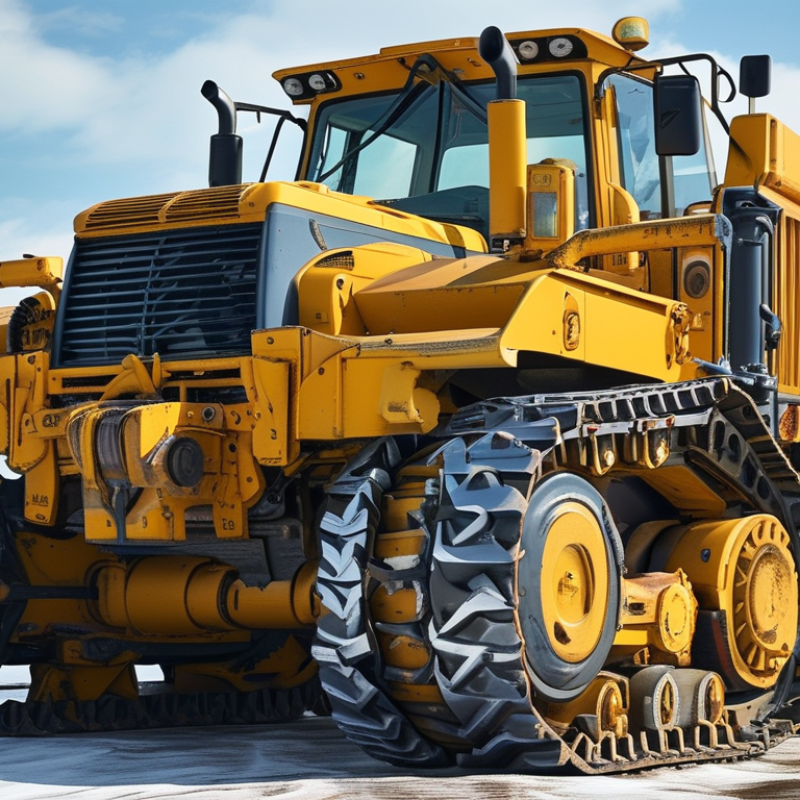
How to Choose the Right Hydraulic Track Drive Motor for Your Needs?

Understanding Hydraulic Track Drive Motors and Their Applications

Hydraulic track drive motors play a crucial role in various machinery, especially in construction and agriculture. These motors enable equipment to traverse rough terrain and provide the necessary torque to move heavy loads. Understanding their functions can greatly improve your efficiency when choosing one for your projects.

When evaluating hydraulic track drive motors, consider their specifications. These include displacement, pressure ratings, and operational speed. Displacement affects the torque produced, while pressure ratings determine the maximum load the motor can handle. Choosing the correct specifications often requires a balance between power and control. Too much power can strain your system, while too little may hinder mobility. It is essential to assess your machine's requirements carefully.

Applications of hydraulic track drive motors vary widely. From excavators to mini-loaders, each machine may demand different features. Consider the environment, operating conditions, and load types. It's also vital to think about maintenance needs. Some motors require more upkeep than others. Understanding these aspects will guide you in making informed decisions that meet your unique requirements.

Key Factors to Consider When Choosing a Hydraulic Track Drive Motor

When selecting a hydraulic track drive motor, it’s vital to consider the application requirements. The torque rating plays a critical role. High torque means better performance on challenging terrains. Assess the type of work you intend to do. Will it involve heavy loads or steep inclines? Understanding your environment shapes your choice.

Compatibility with existing systems is another key factor. The motor must align with your machine’s hydraulic flow and pressure specifications. Check the mounting configuration as well. A poor fit can lead to inefficiencies. Keep in mind that adaptability to different conditions is essential for longevity and functionality.

Additionally, reflect on heat dissipation. Motors generate heat during operation. Insufficient cooling can lead to failure. Evaluate your cooling system’s capabilities. Lastly, always consider feedback from users. Gathering insights can illuminate unexpected challenges. Balancing performance with practicality is crucial. Choose wisely, as this decision impacts your operations directly.

Evaluating Power Requirements for Your Specific Equipment

Choosing the right hydraulic track drive motor starts with understanding the power requirements of your equipment. Analyze the specifications of your machinery. Consider both the weight and the terrain. Heavier equipment requires more power to operate efficiently. If you work on steep inclines or rugged surfaces, these factors influence your choice.

Evaluate the torque needed for optimal performance. Torque affects how quickly and effectively your equipment moves. Calculate the load that will be placed on the motor during operation. Precision in these calculations is vital. Underestimating power needs can lead to poor performance and costly downtime. Overestimating can result in wasted resources and unnecessary expenses.

Pay attention to the hydraulic system's compatibility. Not all motors fit every system seamlessly. Consulting technical documents can help clarify these details. If you're unsure, reaching out to a trusted expert is advisable. Understanding your unique requirements can make the selection process smoother. Reflecting on past experiences with different motors may also guide your decision. Balancing power needs with efficiency will lead to better outcomes.

Hydraulic Track Drive Motor Power Requirements

This chart illustrates the power requirements for different types of hydraulic track drive motors based on their respective equipment categories. Understanding these requirements is crucial for selecting the right motor for your specific needs.

Assessing Environmental Conditions and Their Impact on Motor Selection

When selecting a hydraulic track drive motor, environmental conditions play a crucial role. Temperature extremes significantly affect motor performance. In colder climates, oil viscosity increases, which impacts flow and efficiency. Conversely, high temperatures can degrade the oil faster. Understanding these temperature impacts can guide motor choice.

Moisture and dust in the environment are also critical considerations. High humidity may lead to corrosion over time. A motor designed with better sealing can prevent moisture ingress. Similarly, dusty environments require filters to maintain performance. Failing to account for these factors might lead to more frequent repairs.

Furthermore, terrain characteristics affect motor selection. Steep inclines require motors with higher torque. On the other hand, flat surfaces may need less power. Assessing terrain can help optimize machine performance. Not all conditions align perfectly with motor capabilities. Re-evaluating the selection process can lead to better outcomes over time.

How to Choose the Right Hydraulic Track Drive Motor for Your Needs?

Motor Type Torque (Nm) Max Speed (RPM) Weight (kg) Recommended Applications
Compact Motor 300 120 25 Mini Excavators
Standard Motor 600 90 40 Backhoe Loaders
Heavy-Duty Motor 900 70 60 Larger Excavators

Comparing Different Brands and Models of Hydraulic Track Drive Motors

When selecting a hydraulic track drive motor, assessing different brands and models is crucial. Each brand brings unique features and innovations. Some models offer high torque output, while others prioritize energy efficiency. This diversity can be overwhelming. Take the time to evaluate your specific requirements.

Understanding power, size, and weight capacities is essential. Some hydraulic motors perform well in compact spaces, while others excel in heavy-duty applications. Delve into specifications and user reviews to gauge reliability and performance. Keep in mind that not every model suits every machine. Compatibility is key for optimal function.

Brand loyalty can cloud judgment. Consider the most important attributes for your use case instead. Frequent issues with certain models may emerge in reviews. Reflect on past experiences to avoid similar pitfalls. Prioritize genuine feedback and technical specifications over marketing claims. This approach fosters smart decision-making for your hydraulic track drive motor selection.

FAQS

: What are hydraulic track drive motors used for?

: They assist machinery in traversing rough terrain and moving heavy loads.

How do I know the right specifications for a motor?

Consider displacement, pressure ratings, and operational speed depending on your equipment's needs.

Why is torque important when choosing a motor?

Torque determines how quickly and effectively your equipment can move and perform tasks.

What should I evaluate when considering power requirements?

Analyze the weight of your equipment and the type of terrain where it will operate.

How can I ensure compatibility with my hydraulic system?

Consult technical documents for compatibility details or reach out to an expert for guidance.

Why is maintenance an important factor?

Some motors need more upkeep than others, which can affect efficiency and overall performance.

How can I compare different brands and models?

Review specifications, user feedback, and how well they meet your particular needs.

What should I avoid during the selection process?

Don’t let brand loyalty influence your decision; focus on critical features instead.

How important is precision in calculating power needs?

Precision is vital. Underestimating can cause poor performance; overestimating can waste resources.

Should I rely solely on marketing claims?

No, prioritize genuine feedback and technical specifications for a more informed decision.

Conclusion

Choosing the right Hydraulic Track Drive Motor is essential for optimizing the performance of your equipment. Understanding the various applications of these motors is the first step, as they are utilized in a range of machinery from agricultural implements to construction vehicles. Several key factors must be considered during selection, including the specific power requirements of your equipment and how environmental conditions like temperature, humidity, and terrain can affect motor performance.

When evaluating Hydraulic Track Drive Motors, it is crucial to compare different models and brands to find the best fit for your needs. Each motor varies in efficiency, durability, and compatibility with specific machinery, making thorough research necessary for an informed decision. By taking into account the operational demands and environmental challenges, you can select a Hydraulic Track Drive Motor that enhances productivity and ensures reliable operation.

Sienna

Sienna

Sienna is a skilled marketing professional with a deep expertise in our company’s core products and services. With a passion for innovation and detail, she plays a pivotal role in crafting insightful blog posts that not only highlight the unique features of our offerings but also provide valuable......