Selecting the right Swing Motor is crucial for any heavy machinery operation. It impacts overall performance and efficiency significantly. An incorrect choice can lead to increased downtime and maintenance costs. Therefore, understanding your specific needs is essential.
You must consider several factors when choosing a Swing Motor. These include size, power requirements, and compatibility with your equipment. Additionally, thinking about the terrain types you'll encounter also plays a vital role. Investing time in research can save you both time and money in the long run.
Not all products on the market are reliable. Some manufacturers may lack the necessary experience or quality control. It is important to seek out reputable suppliers with proven expertise. When in doubt, consult industry experts. They can provide valuable insights tailored to your unique situation. Make a well-informed decision regarding your Swing Motor choice to optimize your machinery's performance.
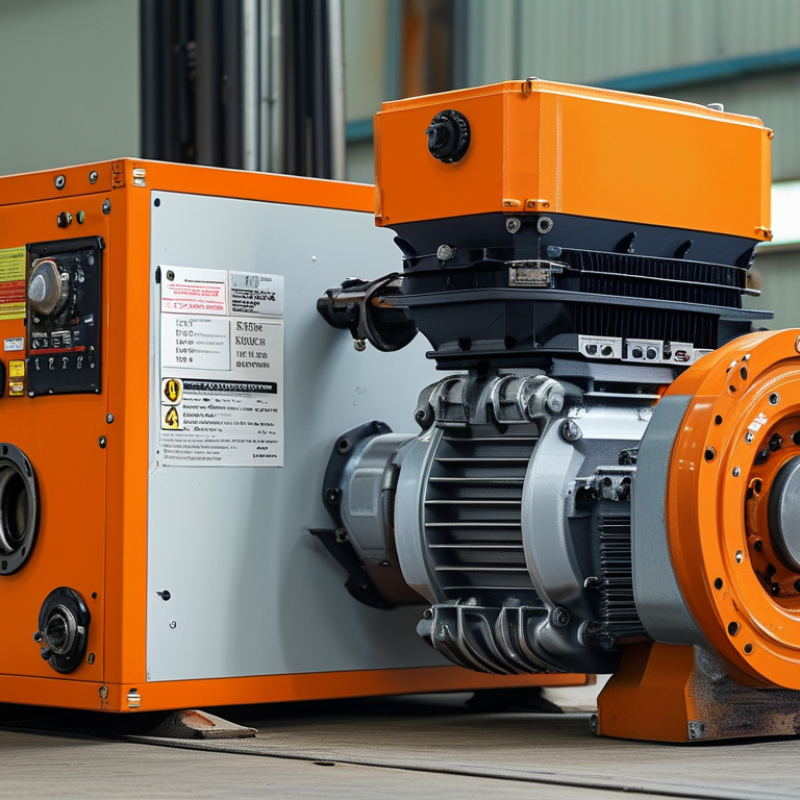
Choosing the right swing motor involves careful consideration of several key factors. First, the power requirements of your equipment should align with the motor's specifications. According to industry reports, motors with a power range between 0.5 to 5 HP are commonly used in construction machinery and agricultural equipment. Assessing the torque needs is equally important. Motors must provide adequate torque to handle the load during operation.
Another critical aspect is the motor’s environmental tolerance. Many swing motors operate in harsh conditions. A reliable motor should have protection ratings like IP65 or higher, ensuring resistance against dust and moisture. Research indicates that motors exposed to extreme temperatures can experience a 20% reduction in lifespan. Considering the operational environment will help you select a motor that performs consistently.
Finally, installation and maintenance ease shouldn't be overlooked. A motor that is complex to install may incur higher labor costs. Additionally, considering periodic maintenance requirements can help avoid unexpected downtimes. Data shows that 30% of failed motors result from inadequate servicing. These considerations will guide you toward a suitable swing motor for your unique needs.
When selecting a swing motor, it's vital to recognize the diverse types available. Swing motors generally fall into hydraulic, electric, and pneumatic categories. Hydraulic motors are favored for robust applications, capable of handling heavy loads with efficiency. According to industry reports, over 60% of large-scale operations utilize hydraulic motors due to their reliability in extreme conditions.
Electric swing motors are becoming increasingly popular, especially in residential applications. They are recognized for their low maintenance and high efficiency. Reports indicate a growth rate of nearly 15% in the electric motor market. Their compact design allows for easier installations in tight spaces. However, they may not perform as well under heavy loads compared to hydraulic models.
Pneumatic motors, while less common, offer unique benefits. They operate with compressed air, making them ideal for environments where electricity poses risks. This type is often overlooked, although it accounts for about 10% of the market. Each motor type has its strengths and weaknesses, and understanding these can be challenging. It is essential to consider specific operational needs to choose the right motor for your application.
When selecting a swing motor, understanding performance specifications is crucial. Torque is a key factor. It determines how much load a motor can handle. A higher torque rating typically enables the motor to lift heavier weights and perform under challenging conditions. However, excessive torque can lead to motor strain. This balance requires careful consideration based on your specific application.
Speed also plays a vital role in choosing the right motor. Different tasks may require varying speeds. For instance, rapid movements are necessary in some applications, while others benefit from slower, controlled motion. It's essential to align motor speed with the project requirements. Overlooking this aspect can result in inefficient operation or even damage.
Load capacity is another critical specification. Each motor has a maximum load it can safely carry. Ignoring this limit can lead to premature failure. Evaluating the expected load will prevent potential issues. However, be prepared for the challenges that come with operating near this capacity. Understanding these performance features will help you make a more informed decision.
Choosing the right swing motor involves more than just specifications. Compatibility with existing machinery and hydraulic systems is crucial for optimal performance. If a swing motor doesn’t fit well with current components, it may lead to inefficiencies and even damage. Assessing connection types and sizes can save you time and money in the long run.
When evaluating compatibility, consider the hydraulic flow rate as well. Matching this with your system is essential. A swing motor that operates outside the specified flow rate can underperform. Be sure to check the pressure ratings too. They should align with your hydraulic systems to ensure durability and functionality.
One common mistake is overlooking the need for proper adapters or fittings. Ensure that every connection is secure. Loose fittings lead to leaks, wasting hydraulic fluid and reducing efficiency. Regularly inspect components and look for signs of wear. Neglect may result in significant downtime and increased repair costs. Choose wisely; the right swing motor enhances both performance and longevity.
This bar chart illustrates the importance of compatibility factors to consider when choosing a swing motor for your machinery. The data highlights common compatibility factors and their perceived importance based on industry feedback.
When considering a swing motor, budgeting is crucial. Initial purchase costs can vary significantly based on the motor's specifications and capabilities. It's essential to assess your operational needs and select a model that fits within your budget. Don’t forget to calculate installation costs. You may have to engage professionals for this, which adds to the overall expense. Analyze if you need to invest in additional equipment for compatibility.
Maintenance expenses are another critical factor. Swing motors require regular servicing to ensure they operate efficiently. Often, minor issues can escalate into costly repairs if not addressed promptly. Consider the availability of replacement parts and whether those parts are affordable. Some models may have higher upfront costs but lower long-term maintenance. Be cautious, as not all manufacturers provide adequate support after the sale. Researching user reviews can reveal insights about reliability and service ease.
Reflect on your long-term goals. If you plan to use the swing motor extensively, investing more upfront might save you headaches down the line. However, if your usage is minimal, a less expensive model may suffice. Balancing initial costs with potential long-term care needs will lead to a more informed decision. It’s essential to weigh your options carefully, as the right choice can enhance productivity and reduce unexpected financial burdens.
: Torque determines how much load a motor can handle. Higher torque allows lifting heavier weights.
Yes, excessive torque can strain the motor. It's important to balance torque based on the application.
Speed is crucial for different tasks. Some require fast movements while others benefit from slower, controlled motion.
Ignoring motor speed can lead to inefficient operation. This may cause damage over time.
Each motor has a maximum load limit. Exceeding this can lead to premature motor failure.
You need to assess connection types, sizes, and hydraulic flow rates for optimal performance.
A mismatch can cause underperformance, reducing efficiency and effectiveness in your application.
Overlooking the need for proper adapters or fittings may lead to loose connections and leaks.
Neglect may cause significant downtime or costly repairs due to leaks or inefficiency.
A suitable motor improves operation and enhances the longevity of your equipment and systems.
When selecting the right swing motor for your equipment, it is essential to consider various factors that will affect performance and compatibility. Key aspects include understanding the different types of swing motors available on the market and evaluating their performance specifications such as torque, speed, and load capacity. Properly assessing these parameters ensures that you choose a motor that meets your operational needs effectively.
Additionally, compatibility with existing machinery and hydraulic systems is crucial for seamless integration and optimal functionality. A thorough cost analysis, considering both the initial purchase price and long-term maintenance expenses, will help you make a financially sound decision. By carefully weighing these factors, you can confidently select a swing motor that aligns with your requirements and enhances your equipment’s performance.

Weitai Hydraulic